

تُستخدم صمامات الكرة بشكل أساسي كأجهزة فتح/إيقاف. يحد تصميمها من قدرتها على توفير تحكم دقيق في التدفق. قد يؤثر هذا القيد على فعاليتها في بعض تطبيقات مكافحة الحرائق. فيما يلي بعض النقاط الرئيسية المتعلقة بـfire protection valvesصمامات كروية:وظيفة التشغيل/الإيقافتتميز صمامات الكرة بقدرتها الفائقة على إغلاق أو السماح بتدفق السوائل بسرعة. ومع ذلك، فإنها لا تؤدي أداءً جيدًا عندما يحتاج المشغلون إلى ضبط معدلات التدفق تدريجيًا.مشاكل التقييدعند فتح صمامات الكرة جزئياً، قد يحدث اضطراب في التدفق. هذا الاضطراب قد يؤدي إلى انخفاض الضغط وعدم انتظام معدلات التدفق. هذا السلوك قد يعيق أداء أنظمة إخماد الحرائق.تنظيم التدفقلا تُعدّ صمامات الكرة مناسبة للتطبيقات التي تتطلب تنظيمًا دقيقًا للتدفق، إذ لا يسمح تصميمها بإجراء تعديلات تدريجية. وقد يُشكّل هذا القيد مشكلةً في الحالات التي يكون فيها توصيل المياه بدقة أمرًا بالغ الأهمية.نصيحةبالنسبة للتطبيقات التي تتطلب تعديل التدفق، فكر في استخدام صمامات البوابة أو أنواع الصمامات الأخرى المصممة للتحكم في التدفق.
يلخص الجدول أدناه قدرات التحكم في التدفق لصمامات الكرة مقارنة بصمامات البوابة:
- نوع الصمام
- قدرة التحكم في التدفق
- حالة الاستخدام المثالية
- صمام كرويمحدود
- خدمة التشغيل/الإيقافصمام بوابة
معتدل
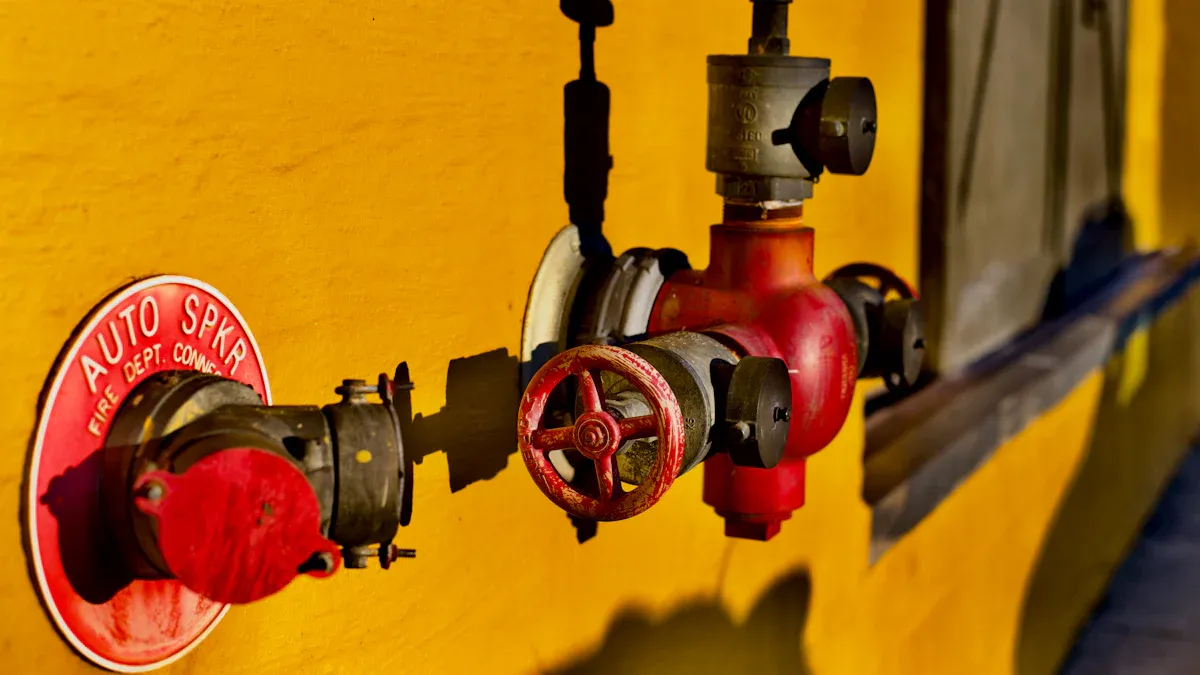
التحكم في التدفقتطبيقات في أنظمة مكافحة الحرائقتؤدي صمامات الحماية من الحرائق دورًا بالغ الأهمية في تطبيقات متنوعة ضمن أنظمة الحماية من الحرائق. ويعتمد اختيارها على متطلبات التشغيل المحددة وطبيعة استراتيجية الحماية من الحرائق. فيما يلي بعض التطبيقات الرئيسية لكل من صمامات البوابة والصمامات الكروية في أنظمة مكافحة الحرائق:
| 1. أنظمة رشاشات إطفاء الحريق | Ball Valves | Gate Valves |
|---|---|---|
| تعتمد أنظمة أنابيب الإطفاء، الشائعة في المباني التجارية، على صمامات الحماية من الحرائق لضمان إمداد كافٍ من المياه لجهود مكافحة الحرائق. تُستخدم صمامات البوابة عادةً لعزل أجزاء من النظام، بينما تُسهّل صمامات الكرة التشغيل السريع لتوفير المياه بشكل فوري. | 3. أنظمة صنابير إطفاء الحريق | تتطلب أنظمة صنابير إطفاء الحرائق صمامات موثوقة وفعالة لضمان وصول رجال الإطفاء إلى المياه بسرعة. تُركّب صمامات البوابة عادةً على خط الإمداد الرئيسي للتحكم في تدفق المياه إلى الصنابير. كما يمكن استخدام صمامات الكرة للإغلاق السريع في حالات الطوارئ. |
| 4. أنظمة الفيضان وأنظمة ما قبل التشغيل | في أنظمة إخماد الحرائق بالرش الغزير وأنظمة الإخماد المسبق، تلعب صمامات الحماية من الحرائق دورًا حيويًا في التحكم بتدفق المياه إلى رؤوس الرشاشات. يمكن لصمامات البوابة عزل أجزاء من النظام للصيانة، بينما تسمح صمامات الكرة بتفعيل تدفق المياه بسرعة عند الحاجة. | 5. التطبيقات الصناعية |
| Flow Regulation | 6. الحماية من الحرائق في المساكن | تستفيد أنظمة الحماية من الحرائق في المنازل أيضاً من استخدام صمامات الحماية من الحرائق. توفر صمامات البوابة إمكانية إغلاق موثوقة، بينما تضمن صمامات الكرة الوصول السريع إلى إمدادات المياه لجهود مكافحة الحرائق. |
| Durability | عند اختيار الصمامات لأنظمة الحماية من الحرائق، يجب مراعاة التطبيق المحدد ومتطلبات التشغيل. يوفر كل نوع من أنواع الصمامات مزايا فريدة يمكن أن تعزز أداء النظام. | السيناريوهات المناسبة لصمامات البوابة |
| تُعد صمامات البوابة فعالة بشكل خاص في سيناريوهات مختلفة ضمن أنظمة الحماية من الحرائق. تصميمها ووظائفها تجعلها مناسبة لتطبيقات محددة حيث | التحكم الموثوق في التدفق | يُعدّ استخدام صمامات البوابة أمرًا ضروريًا. فيما يلي بعض الحالات المثالية لاستخدام صمامات البوابة: |
عزل مصدر المياه الرئيسي
تُستخدم صمامات البوابة كآلية إغلاق رئيسية لإمدادات المياه في أنظمة مكافحة الحرائق. فهي تسمح بالإغلاق الكامل أثناء الصيانة أو حالات الطوارئ، مما يضمن بقاء النظام آمنًا وجاهزًا للتشغيل.تطبيقات الضغط العاليفي البيئات التي تشكل فيها الضغوط العالية مصدر قلق، تتفوق صمامات البوابة. فبنيتها المتينة قادرة على تحمل ضغوط كبيرة دون التأثير على أدائها. هذه المتانة تجعلها مثالية للاستخدام في البيئات الصناعية.
خطوط الأنابيب ذات الأقطار الكبيرة
تُستخدم صمامات البوابة غالبًا في خطوط الأنابيب ذات الأقطار الكبيرة حيث يكون التحكم في التدفق ضروريًا. يقلل تصميمها من مقاومة التدفق، مما يسمح بتوصيل المياه بكفاءة أثناء حالات الطوارئ.
أنظمة إطفاء الحرائق
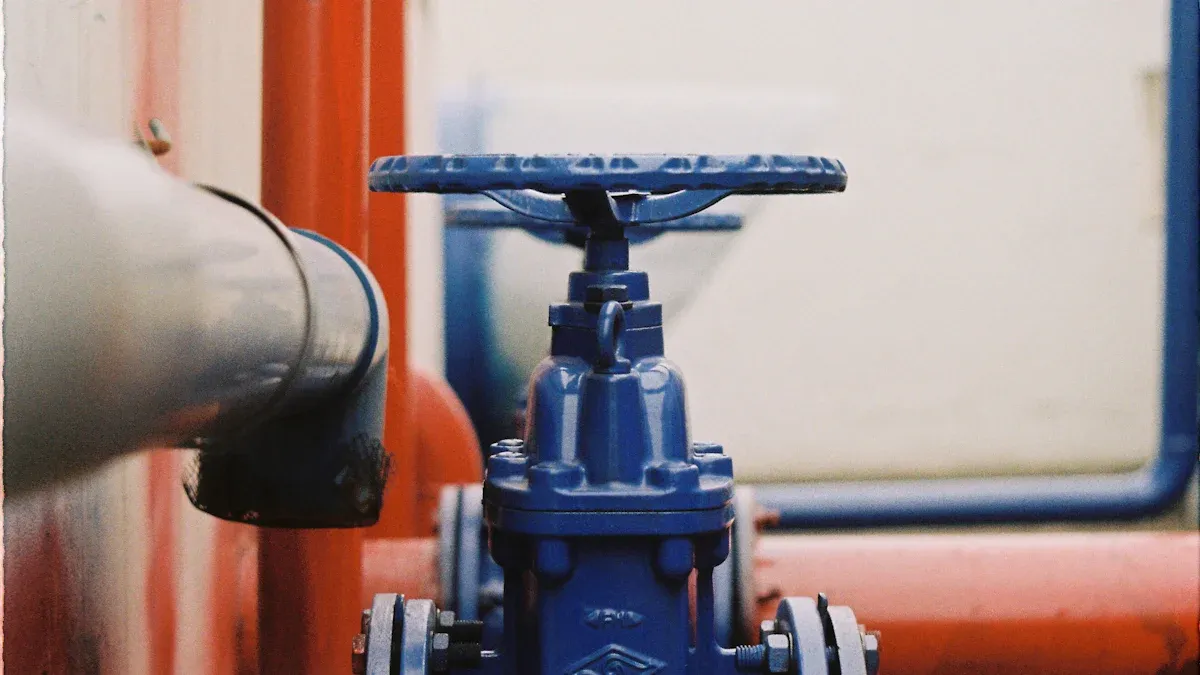
تُركّب صمامات البوابة عادةً في أنظمة صنابير إطفاء الحرائق. فهي توفر عزلاً موثوقاً لإمدادات المياه، مما يضمن حصول رجال الإطفاء على المياه بسرعة عند الحاجة.هل صمامات البوابة مناسبة لتطبيقات التحكم في التدفق؟في أنظمة الأنابيب الرأسية، تسمح صمامات البوابة بعزل أقسام محددة. هذه الخاصية ضرورية للصيانة وتضمن استمرار تشغيل الأجزاء الأخرى من النظام.
- Ball Valvesعند اختيار صمامات البوابة لأنظمة الحماية من الحرائق، يجب مراعاة التطبيق المحدد ومتطلبات التشغيل. إن قدرتها على توفير إغلاق موثوق وتحمل الضغوط العالية تجعلها عنصرًا قيّمًا في مختلف السيناريوهات.
- Gate Valvesتُعدّ صمامات الكرة فعّالة للغاية في سيناريوهات مختلفة ضمن أنظمة الحماية من الحرائق. تصميمها وكفاءتها التشغيلية يجعلانها مناسبة لتطبيقات محددة تتطلب استجابة سريعة وموثوقية عالية. فيما يلي بعض الحالات المثالية لاستخدام صمامات الكرة:
إيقاف التشغيل الطارئ
تتفوق صمامات الكرة في الحالات التي تتطلب إغلاقًا سريعًا. يتيح تشغيلها بربع دورة إغلاقًا فوريًا، وهو أمر بالغ الأهمية أثناء حالات الطوارئ المتعلقة بالحرائق. يمكن لرجال الإطفاء الوصول بسرعة إلى إمدادات المياه، مما يضمن استجابة سريعة.
أنظمة الضغط العاليهل صمامات البوابة مناسبة لتطبيقات التحكم في التدفق؟خطوط إمداد المياه
Gate Valves
- بالنسبة لأنظمة الحماية من الحرائق، يجب مراعاة سرعة تشغيلها وانخفاض الضغط فيها. فهذه الميزات تعزز أداء النظام وموثوقيته بشكل عام.في أنظمة رشاشات إطفاء الحرائق، تُسهّل الصمامات الكروية عملية التفعيل السريع. فهي تسمح بتدفق المياه الفوري إلى رؤوس الرشاشات، مما يعزز فعالية جهود إخماد الحرائق.
- أنظمة الفيضانتلعب صمامات الكرة دورًا حاسمًا في أنظمة الري بالغمر، حيث يكون إطلاق المياه بسرعة أمرًا ضروريًا. يتيح تصميمها التشغيل السريع، مما يضمن وصول المياه إلى المناطق المستهدفة دون تأخير.
- استجابة سريعة أثناء الحرائق: متى
Ball Valves
- بالنسبة لأنظمة الحماية من الحرائق، يجب مراعاة سرعة تشغيلها وانخفاض الضغط فيها. فهذه الميزات تعزز أداء النظام وموثوقيته بشكل عام.نوع التطبيق
- الميزة الرئيسيةإيقاف التشغيل الطارئ
- استجابة سريعة أثناء الحرائقأنظمة الضغط العالييحافظ على نزاهته تحت الضغطخطوط إمداد المياه
Tipأنظمة الرش
تفعيل فوري لتدفق المياه
أنظمة الفيضان
- إطلاق سريع للماء لقمع الحرائقالفعالية الشاملة في أنظمة مكافحة الحرائق
- فعاليةصمامات الحماية من الحرائق
- تؤثر بشكل كبير على أداء أنظمة السلامة من الحرائق. وتلعب كل من صمامات البوابة والصمامات الكروية أدوارًا حاسمة في ضمان تدفق المياه بشكل موثوق أثناء حالات الطوارئ. وتساهم خصائصها الفريدة في الكفاءة العامة لجهود إخماد الحرائق.تتفوق صمامات البوابة في التطبيقات التي تتطلب إيقاف التدفق بشكل كامل، إذ توفر وسيلة موثوقة لعزل أجزاء من نظام الحماية من الحرائق. وتُعد هذه الميزة أساسية أثناء الصيانة أو في حالات الطوارئ. كما تسمح صمامات البوابة بتدفق عالٍ، مما يضمن وصول المياه إلى المناطق الحيوية عند الحاجة. ويتحمل تصميمها المتين الضغوط العالية، مما يجعلها مناسبة لمختلف البيئات.
- من ناحية أخرى، توفر صمامات الكرة تشغيلاً سريعاً وانخفاضاً طفيفاً في الضغط. وتتيح آلية ربع الدورة الوصول السريع إلى إمدادات المياه، وهو أمر بالغ الأهمية أثناء حوادث الحريق. ويمكن لرجال الإطفاء تفعيل صمامات الكرة بسرعة، مما يضمن وصولاً فورياً للمياه.تدفق المياه
- تُحدث هذه الاستجابة السريعة فرقًا كبيرًا في السيطرة الفعّالة على الحرائق. إضافةً إلى ذلك، تحافظ صمامات الكرة على إحكام الإغلاق ومنع التسرب، مما يمنع فقدان المياه ويعزز موثوقية النظام.الأداء في حالات الطوارئ
في حالات الطوارئ، يصبح أداء صمامات الحماية من الحرائق بالغ الأهمية. وتلعب كل من صمامات البوابة والصمامات الكروية أدوارًا متميزة في ضمان فعالية جهود مكافحة الحرائق.
الخصائص التشغيليةيمكن أن يؤثر ذلك بشكل كبير على نتائج عمليات إخماد الحرائق.صمامات البوابة
| Valve Type | صمامات كروية | على النقيض من ذلك، توفر صمامات الكرة تشغيلاً سريعاً. إذ تتيح آلية ربع الدورة الوصول الفوري إلى إمدادات المياه. يُعد هذا التفعيل السريع ضرورياً أثناء حوادث الحريق، حيث يكون الوقت عاملاً حاسماً. يستطيع رجال الإطفاء تشغيل صمامات الكرة بسرعة، مما يضمن تدفق المياه إلى المناطق المطلوبة دون تأخير. إضافةً إلى ذلك، تحافظ صمامات الكرة على انخفاض ضغط المياه، مما يساعد على استدامة ضغط المياه في جميع أنحاء النظام. |
|---|---|---|
| Gate Valve | موثوق به للإغلاق الكامل ولكنه أبطأ في التشغيل. | موثوق به للإغلاق الكامل ولكنه أبطأ في التشغيل. |
| Ball Valve | الموثوقية طويلة الأمد لصمامات الحماية من الحرائق | الموثوقية طويلة الأمد لصمامات الحماية من الحرائق |
تُعدّ الموثوقية طويلة الأمد أمراً بالغ الأهمية لصمامات الحماية من الحرائق، إذ تلعب هذه المكونات دوراً حيوياً في ضمان السلامة أثناء حالات الطوارئ. وتتميز كل من صمامات البوابة والصمامات الكروية بخصائص فريدة تؤثر على موثوقيتها بمرور الوقت.
- صمامات البوابة
- متانة
- تتميز صمامات البوابة عادةً بمواد متينة، مثل الفولاذ المقاوم للصدأ أو النحاس الأصفر. تعزز هذه المواد قدرتها على تحمل الضغوط ودرجات الحرارة العالية، مما يساهم في إطالة عمرها.
- متطلبات الصيانة
- الصيانة الدورية ضرورية لصمامات البوابات. يجب على المشغلين فحص موانع التسرب والمكونات الداخلية لمنع التسرب. قد يؤدي إهمال الصيانة إلى انخفاض الموثوقية واحتمالية حدوث أعطال في اللحظات الحرجة.
- صمامات كروية
- احتياجات صيانة منخفضة
- تتطلب صمامات الكرة عادةً صيانة أقل من صمامات البوابة. يقلل تصميمها من التآكل، مما يسمح لها بالعمل بكفاءة لفترات طويلة.
- مقاومة التآكل
- تستخدم العديد من صمامات الكرة مواد مقاومة للتآكل. تعزز هذه الميزة موثوقيتها، خاصة في البيئات المعرضة للمواد الكيميائية القاسية أو الظروف القاسية.
- نصيحة
لضمان أقصى قدر من الموثوقية على المدى الطويل لصمامات الحماية من الحرائق، ينبغي على المؤسسات تطبيق جدول زمني للفحص الدوري. فالفحوصات المنتظمة تُساعد على تحديد المشكلات المحتملة قبل تفاقمها، مما يضمن استمرار عمل الصمامات عند الحاجة.توفر كل من صمامات البوابة والصمامات الكروية مزايا وعيوبًا مميزة في أنظمة الحماية من الحرائق.صمامات البوابة
تتميز بقدرتها الفائقة على توفير إمكانيات إغلاق موثوقة وسعة تدفق عالية.
صمامات كروية
- تتميز هذه الأجهزة بسرعة تشغيلها وانخفاض الضغط فيها.في نهاية المطاف، يعتمد الاختيار بين هذه الصمامات على احتياجات نظام مكافحة الحرائق المحددة ومتطلبات التشغيل.نصيحة: تقييم المتطلبات الفريدة لكل تطبيق لتحديد الأنسب
- نوع الصمام المناسبلتحقيق الأداء الأمثل.التعليماتما هو الفرق الأساسي بين صمامات البوابة وصمامات الكرة؟
توفر صمامات البوابة تحكمًا موثوقًا في التشغيل والإيقاف، بينما توفر صمامات الكرة تشغيلًا أسرع مع أدنى انخفاض في الضغط. وهذا ما يجعل صمامات الكرة أكثر ملاءمة لحالات الطوارئ.هل صمامات البوابة مناسبة لتطبيقات التحكم في التدفق؟يمكن استخدام صمامات البوابة للتحكم في التدفق، لكنها ليست مثالية لهذا الغرض. تصميمها في الأساس مخصص لإيقاف التدفق بشكل كامل.
| كم مرة يجب صيانة صمامات الحماية من الحرائق؟ | تُعد الصيانة الدورية ضرورية لكل من صمامات البوابة والصمامات الكروية. ينبغي على الفنيين فحصها مرة واحدة على الأقل سنوياً لضمان عملها بشكل سليم ومنع التسربات. |
|---|---|
| هل يمكن للصمامات الكروية التعامل مع السوائل المتسخة؟ | تواجه صمامات الكرة صعوبة في التعامل مع السوائل التي تحتوي على مواد صلبة أو شوائب. يمكن أن تمنع الملوثات عملية الإحكام، مما يؤدي إلى تسربات محتملة في أنظمة الحماية من الحرائق. |
| ما هي العوامل التي تؤثر على الاختيار بين صمامات البوابة والصمامات الكروية؟ | يعتمد الاختيار على احتياجات التطبيق المحددة، مثل زمن الاستجابة المطلوب، والتحكم في التدفق، وظروف الضغط. قيّم هذه العوامل لتحديد نوع الصمام الأنسب. |
| تاريخ النشر: 20 مارس 2026 | اتصال |
تفضل بزيارتناشركة تشجيانغ العالمية لمعدات مكافحة الحرائق المحدودةاتصل بنا
13685872522
13968219316
- بريدنا الإلكترونيإرسال استفسار
- كوريإرسال بريد إلكتروني
- واتساباضغط على زر الإدخال للبحث أو زر الهروب للإغلاق
- إنجليزيفرنسي
- الألمانيةالبرتغالية
الأسبانية
| الروسية | الكازاخستاني |
|---|---|
| كوري | عربي |
| أيرلندي | اليونانية |
| تركي | إيطالي |
دانماركي
روماني
إندونيسياالتشيكالأفريكانية
- السويديةبولندي
- الباسكيةالكاتالونية
الإسبرانتو
الهندية
لاوالألبانيةالأمهرية
- الأرمنيةالأذرية
- بيلاروسيالبنغالية
- البوسنيالبلغارية
سيبوانو
- شيشيوا
- كورسيكي
- الكرواتية
- هولندي
الإستونيةفلبيني
| Valve Type | الفريزية | الجاليكية |
|---|---|---|
| Ball Valve | العبرية | هاواي |
| Gate Valve | هاواي | العبرية |
همونغ
المجرية
أيسلنداإيغبوالجاويين
| الكانادا | الكازاخستاني |
|---|---|
| الخمير | كردي |
| قيرغيزستان | اللاتينية |
| اللاتفية | الليتواني |
لوكسمبورغ..المقدونيمدغشقري
- الملايوالمالايالامية
- مالطيالماوري
- الماراثيةالمنغولي
البورميين
النيبالية
النرويجية
البشتوالفارسية:
- البنجابيةالصربية
- سيسوتوالسنهاليةسلوفاكياالسلوفيني
- الصومالساموا
اللغة الغيلية الاسكتلندية
شونا
السندية
السونديةالسواحيليةطاجيك
- التاميلالتيلجو
- تايلانديالأوكرانية
الأردية
| Valve Type | الفيتناميين | الويلزية | لغة الخوسا |
|---|---|---|---|
| اليديشية | اليوروبا | الزولو | الكينيارواندية |
| التتار | أوريا | التركمان | الأويغور |
Low pressure drop in ball valves enhances water flow in fire system pipelines. This efficiency ensures that firefighters receive adequate water supply quickly, which is vital for effective firefighting. The ability to maintain pressure during operation allows for consistent water delivery, even in high-demand situations.
Disadvantages of Ball Valves
While ball valves offer numerous advantages, they also present several disadvantages that can affect their performance in fire protection systems. Understanding these limitations is crucial for making informed decisions. Here are some key drawbacks:
- Inability to Provide Gradual Shut-off: Ball valves operate with a quarter-turn action. This rapid shut-off can lead to sudden pressure changes, potentially damaging systems like fire protection sprinklers. Such abrupt shifts in pressure may compromise the integrity of the entire system.
- Corrosion and Erosion Issues: Depending on the material used, ball valves can corrode or erode when exposed to harsh substances. This deterioration can result in leaks and reduced performance over time. Operators must consider the fluid characteristics to mitigate these risks.
- Difficulty in Handling Dirty Fluids: Ball valves struggle with fluids containing solids or debris. These contaminants can prevent proper sealing, leading to leakage. In fire protection systems, where reliability is paramount, this limitation can pose significant challenges.
- Higher Initial Costs: Compared to gate valves, ball valves typically have a higher initial purchase price. This cost factor can deter some organizations from choosing them, especially when budget constraints exist.
- Limited Throttling Capability: Ball valves are primarily designed for on/off service. They do not perform well when used for throttling applications. This limitation can hinder flow regulation in certain scenarios, making them less versatile than other valve types.
Higher Initial Cost of Ball Valves
Ball valves typically come with a higher initial cost than gate valves. This price difference can influence purchasing decisions for fire protection systems. Organizations must weigh the benefits against the financial implications. Here are some key points regarding the costs associated with ball valves:
- Material Quality: Ball valves often use high-quality materials, such as stainless steel or brass. These materials enhance durability but increase production costs.
- Complex Design: The design of ball valves includes more intricate components, which can drive up manufacturing expenses.
- Performance Features: Ball valves offer superior sealing capabilities and quick operation. These features justify the higher price for many applications.
Cost Comparison Table
| Valve Type | Initial Cost Range (8″ Class 300) | Initial Cost Range (24″) |
|---|---|---|
| Gate Valve | $12K – $18K | $12K – $18K |
| Ball Valve | $45K – $75K | $45K – $75K |
Tip: When budgeting for fire protection systems, consider both the initial costs and the long-term benefits of each valve type.
Despite the higher upfront costs, ball valves can provide long-term savings. Their durability and low maintenance requirements often lead to reduced operational costs over time. Organizations should evaluate their specific needs and budget constraints before making a decision.
Limited Flow Control of Ball Valves
Ball valves primarily serve as on/off devices. Their design limits their ability to provide precise flow control. This limitation can impact their effectiveness in certain fire protection applications. Here are some key points regarding the flow control capabilities of ball valves:
- On/Off Functionality: Ball valves excel at quickly shutting off or allowing fluid flow. However, they do not perform well when operators need to adjust flow rates gradually.
- Throttling Issues: When partially opened, ball valves can create turbulence. This turbulence can lead to pressure drops and inconsistent flow rates. Such behavior can hinder the performance of fire suppression systems.
- Flow Regulation: Ball valves are not suitable for applications requiring fine flow regulation. Their design does not allow for gradual adjustments. This limitation can be problematic in scenarios where precise water delivery is essential.
Tip: For applications that require flow modulation, consider using gate valves or other valve types designed for throttling.
The table below summarizes the flow control capabilities of ball valves compared to gate valves:
| Valve Type | Flow Control Capability | Ideal Use Case |
|---|---|---|
| Ball Valve | Limited | On/off service |
| Gate Valve | Moderate | Throttling and flow regulation |
Applications in Fire Systems
Fire protection valves play a critical role in various applications within fire protection systems. Their selection depends on specific operational requirements and the nature of the fire protection strategy. Below are some key applications for both gate valves and ball valves in fire systems:
1. Fire Sprinkler Systems
Fire sprinkler systems utilize both gate and ball valves to control water flow. Gate valves serve as the main shut-off valves, allowing for complete closure during maintenance or emergencies. Ball valves, on the other hand, provide quick access to water supply, enabling rapid response during fire incidents.
2. Standpipe Systems
Standpipe systems, commonly found in commercial buildings, rely on fire protection valves to ensure adequate water supply for firefighting efforts. Gate valves are often used to isolate sections of the system, while ball valves facilitate quick operation for immediate water access.
3. Fire Hydrant Systems
Fire hydrant systems require reliable and efficient valves to ensure firefighters can access water quickly. Gate valves are typically installed at the main supply line to control water flow to hydrants. Ball valves may also be used for quick shut-off in emergency situations.
4. Deluge and Pre-Action Systems
In deluge and pre-action fire suppression systems, fire protection valves play a vital role in controlling water flow to sprinkler heads. Gate valves can isolate sections of the system for maintenance, while ball valves allow for rapid activation of water flow when needed.
5. Industrial Applications
In industrial settings, fire protection valves are essential for safeguarding against fire hazards. Gate valves are often used in high-pressure applications, while ball valves are favored for their quick operation and low pressure drop, making them suitable for various fire suppression systems.
6. Residential Fire Protection
Residential fire protection systems also benefit from the use of fire protection valves. Gate valves provide reliable shut-off capabilities, while ball valves ensure quick access to water supply for firefighting efforts.
Tip: When selecting valves for fire protection systems, consider the specific application and operational requirements. Each valve type offers unique advantages that can enhance system performance.
Suitable Scenarios for Gate Valves
Gate valves are particularly effective in various scenarios within fire protection systems. Their design and functionality make them suitable for specific applications where reliable flow control is essential. Below are some ideal situations for using gate valves:
- Main Water Supply Isolation: Gate valves serve as the primary shut-off mechanism for the main water supply in fire protection systems. They allow for complete closure during maintenance or emergencies, ensuring that the system remains safe and operational.
- High-Pressure Applications: In environments where high pressure is a concern, gate valves excel. Their robust construction can withstand significant pressure without compromising performance. This durability makes them ideal for industrial settings.
- Large-Diameter Pipelines: Gate valves are often used in large-diameter pipelines where flow control is necessary. Their design minimizes flow restriction, allowing for efficient water delivery during emergencies.
- Fire Hydrant Systems: Gate valves are commonly installed in fire hydrant systems. They provide reliable isolation of the water supply, ensuring that firefighters can access water quickly when needed.
- Standpipe Systems: In standpipe systems, gate valves allow for the isolation of specific sections. This capability is crucial for maintenance and ensures that other parts of the system remain operational.
Tip: When selecting gate valves for fire protection systems, consider the specific application and operational requirements. Their ability to provide reliable shut-off and withstand high pressures makes them a valuable component in various scenarios.
Suitable Scenarios for Ball Valves
Ball valves are particularly effective in various scenarios within fire protection systems. Their design and operational efficiency make them suitable for specific applications where quick response and reliability are essential. Below are some ideal situations for using ball valves:
- Emergency Shut-off: Ball valves excel in situations requiring rapid shut-off. Their quarter-turn operation allows for immediate closure, which is critical during fire emergencies. Firefighters can quickly access water supply, ensuring a swift response.
- High-Pressure Systems: In high-pressure environments, ball valves maintain their integrity and performance. Their robust construction withstands significant pressure, making them ideal for industrial applications where safety is paramount.
- Water Supply Lines: Ball valves are commonly used in water supply lines for fire protection systems. Their ability to provide leak-proof sealing ensures that water remains contained, preventing wastage and maintaining system efficiency.
- Sprinkler Systems: In fire sprinkler systems, ball valves facilitate quick activation. They allow for immediate water flow to sprinkler heads, enhancing the effectiveness of fire suppression efforts.
- Deluge Systems: Ball valves play a crucial role in deluge systems, where rapid water release is necessary. Their design enables quick operation, ensuring that water reaches the intended areas without delay.
Tip: When selecting ball valves for fire protection systems, consider their quick operation and low pressure drop. These features enhance overall system performance and reliability.
| Application Type | Key Benefit |
|---|---|
| Emergency Shut-off | Rapid response during fires |
| High-Pressure Systems | Maintains integrity under pressure |
| Water Supply Lines | Prevents leaks and wastage |
| Sprinkler Systems | Immediate water flow activation |
| Deluge Systems | Quick water release for suppression |
Overall Effectiveness in Fire Systems
The effectiveness of fire protection valves significantly impacts the performance of fire safety systems. Both gate valves and ball valves play crucial roles in ensuring reliable water flow during emergencies. Their unique characteristics contribute to the overall efficiency of fire suppression efforts.
Gate valves excel in applications requiring complete flow shut-off. They provide a reliable means to isolate sections of a fire protection system. This capability is essential during maintenance or emergencies. Gate valves allow for high flow capacity, ensuring that water reaches critical areas when needed. Their robust construction withstands high pressures, making them suitable for various environments.
On the other hand, ball valves offer rapid operation and low pressure drop. Their quarter-turn mechanism allows for quick access to water supply, which is vital during fire incidents. Firefighters can swiftly activate ball valves, ensuring immediate water flow. This quick response can make a significant difference in controlling fires effectively. Additionally, ball valves maintain leak-proof sealing, preventing water loss and enhancing system reliability.
Performance in Emergencies
In emergency situations, the performance of fire protection valves becomes critical. Both gate valves and ball valves play distinct roles in ensuring effective firefighting efforts. Their operational characteristics can significantly influence the outcome of fire suppression activities.
Gate Valves
Gate valves provide reliable shut-off capabilities. They excel in applications where complete flow control is necessary. However, their slower operation can hinder response times during emergencies. Firefighters may face delays when attempting to open or close these valves, as they require multiple turns. This limitation can be detrimental in situations where every second counts.
Ball Valves
In contrast, ball valves offer rapid operation. Their quarter-turn mechanism allows for immediate access to water supply. This quick activation is essential during fire incidents, where time is of the essence. Firefighters can swiftly engage ball valves, ensuring that water flows to the necessary areas without delay. Additionally, ball valves maintain low pressure drops, which helps sustain water pressure throughout the system.
Summary of Performance
- Gate Valves: Reliable for complete shut-off but slower to operate.
- Ball Valves: Quick to activate, ensuring immediate water flow and maintaining pressure.
Long-Term Reliability of Fire Protection Valves
Long-term reliability is crucial for fire protection valves, as these components play a vital role in ensuring safety during emergencies. Both gate and ball valves exhibit unique characteristics that influence their reliability over time.
Gate Valves
- Durability: Gate valves often feature robust materials, such as stainless steel or brass. These materials enhance their ability to withstand high pressures and temperatures, contributing to their longevity.
- Maintenance Requirements: Regular maintenance is essential for gate valves. Operators should inspect seals and internal components to prevent leaks. Neglecting maintenance can lead to reduced reliability and potential failures during critical moments.
Ball Valves
- Low Maintenance Needs: Ball valves typically require less maintenance than gate valves. Their design minimizes wear and tear, allowing them to function effectively for extended periods.
- Corrosion Resistance: Many ball valves utilize corrosion-resistant materials. This feature enhances their reliability, especially in environments exposed to harsh chemicals or extreme conditions.
Tip: To maximize the long-term reliability of fire protection valves, organizations should implement a routine inspection schedule. Regular checks can identify potential issues before they escalate, ensuring that valves remain operational when needed.
Both gate and ball valves offer distinct advantages and disadvantages in fire protection systems.
- Gate valves excel in providing reliable shut-off capabilities and high flow capacity.
- Ball valves stand out for their quick operation and low pressure drop.
Ultimately, the choice between these valves hinges on specific fire system needs and operational requirements.
Tip: Assess the unique demands of each application to determine the most suitable valve type for optimal performance.
FAQ
What is the primary difference between gate valves and ball valves?
Gate valves provide reliable on/off control, while ball valves offer quicker operation with minimal pressure drop. This makes ball valves more suitable for emergency situations.
Are gate valves suitable for throttling applications?
Gate valves can be used for throttling, but they are not ideal for this purpose. Their design is primarily for complete flow shut-off.
How often should fire protection valves be maintained?
Regular maintenance is essential for both gate and ball valves. Technicians should inspect them at least once a year to ensure proper functionality and prevent leaks.
Can ball valves handle dirty fluids?
Ball valves struggle with fluids containing solids or debris. Contaminants can prevent proper sealing, leading to potential leaks in fire protection systems.
What factors influence the choice between gate and ball valves?
The choice depends on specific application needs, such as required response time, flow control, and pressure conditions. Evaluate these factors to determine the best valve type.
Post time: Mar-20-2026